
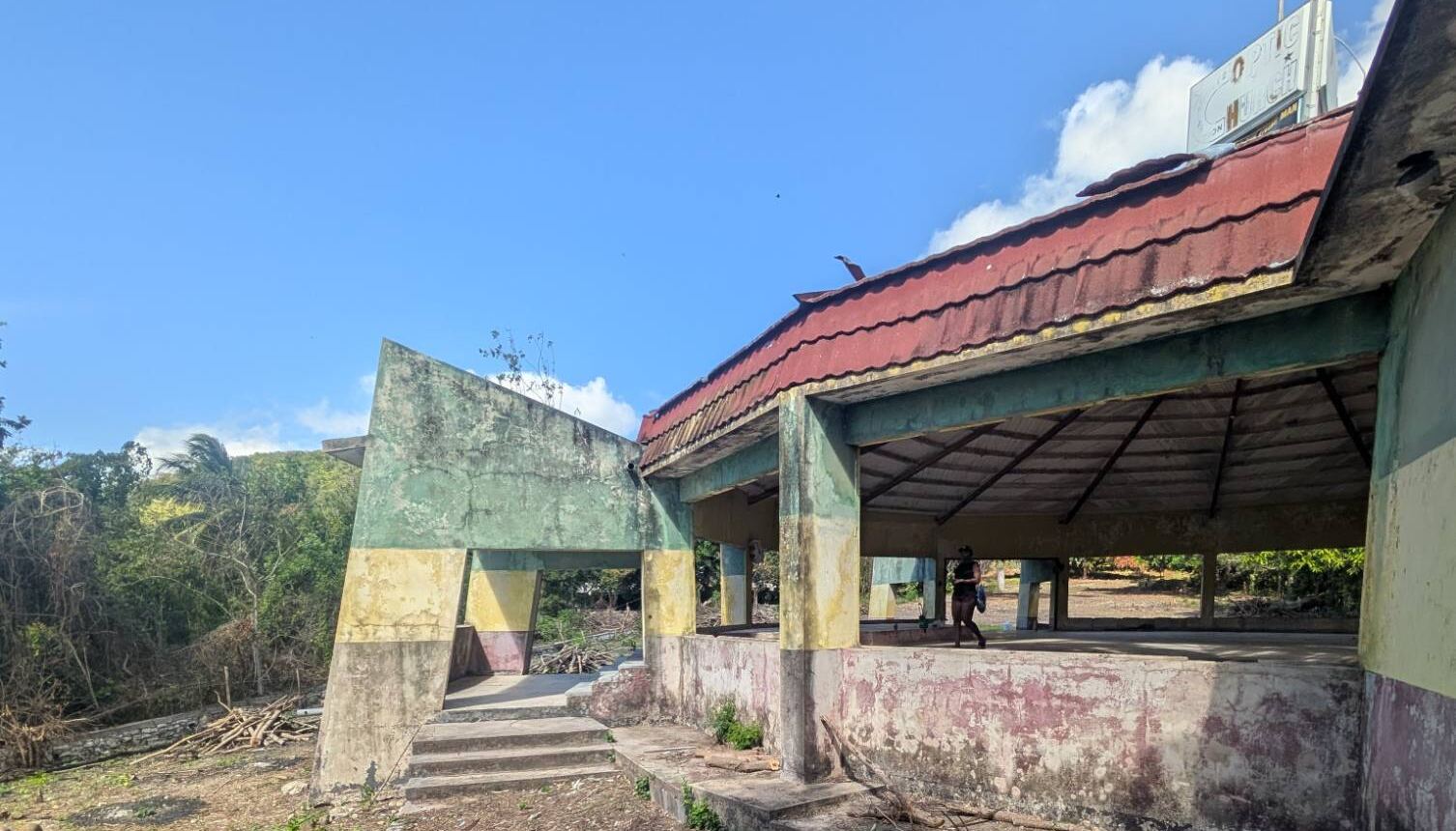
For decades St. Thomas was the parish Jamaicans drove through slowly, if at all. That is changing. A new coastal highway now links it to Kingston, a government urban centre has opened in Morant Bay, and large housing and land projects have been announced along the coast.
The Ethiopian Zion Coptic Church has held land in St. Thomas since the 1970s, including the Creighton Hall estate at White Horses. We wrote this guide for developers, farm operators, funders, and Jamaicans abroad who are considering the parish. It sets out what has changed, where partnerships make sense, and what to check before committing. It is general information, not investment advice, and every figure links to its public source.
St. Thomas at a glance
- Location
- South-eastern Jamaica, east of Kingston, between the Blue Mountains and the sea
- Area
- 742.8 km² (286.8 sq mi)
- Population
- About 95,000 (2018 estimate)
- Capital
- Morant Bay. Other towns include Yallahs, Seaforth, Port Morant, Bath, and Golden Grove
- Main road
- The Paul Bogle Highway, 31.5 km from Bull Bay to Morant Bay, named in July 2026
- Economy
- Agriculture, mainly small farms, with public-sector, retail, and construction growth around Morant Bay
Parish figures are from the St. Thomas Parish overview. The parish is also the home of National Hero Paul Bogle and the site of the 1865 Morant Bay Rebellion, a history rooted in questions of land and fairness that still shapes how development is received locally.
What is changing in St. Thomas
A new highway to Kingston
The Southern Coastal Highway Improvement Project has rebuilt the road from Kingston into St. Thomas. On 30 July 2026, the 31.5 km stretch from Bull Bay Bridge to the Morant Bay roundabout was named the Paul Bogle Highway; work toward the Portland border continues (Gleaner, July 2026). On the Harbour View to Yallahs Bridge leg alone, the government reports travel time between Kingston and St. Thomas falling from about 45 minutes to 15 (JIS).
For partners, shorter journeys matter in practical ways: produce reaches Kingston buyers faster, staff can commute, and visitors can make day trips.
The Morant Bay Urban Centre
The Morant Bay Urban Centre opened on 15 May 2025 on the former Goodyear factory site (Office of the Prime Minister). In March 2026, seven government agencies, including the passport office and Tax Administration Jamaica, signed leases there (Gleaner, March 2026). A public-service and commercial hub in the parish capital brings regular footfall and demand for local services.
Housing and land demand
In July 2026, the Gleaner reported that Seprod and its parent, the Musson Group, plan a 50–50 joint venture on about 3,000 acres of former agricultural land at Belvedere, in the White Horses district, with road works intended to start the following year (Gleaner, July 2026). In September 2026, the St Thomas Municipal Corporation invited bids for house lots on its property at Easington (Observer, September 2026).
Land interest has risen with the road. A former president of the Real Estate Association of Jamaica told the Observer that plots which once sold for J$4–5 million were being offered for up to J$14 million for 10,000 square feet, and stressed the importance of proper titles and surveys (Observer, January 2025). These are reported asking prices, not valuations, but they show the direction of travel.
Agriculture after Hurricane Melissa
Hurricane Melissa struck Jamaica in October 2025 and damaged farms across the island. Agro-Invest, the state agricultural investment agency, is now courting investors, especially Jamaicans abroad. It reports a deal book of more than 30 agricultural projects, about 12,000 acres under management for land matching with plans to reach 20,000, and a programme of solar-powered cold-chain centres (JIS, April 2026).
In St. Thomas itself, Agro-Invest promotes the 253-acre Plantain Garden River Agro Park, describing its soils as suited to roots and tubers, herbs, and spices, with ginger doing especially well (Agro-Invest portfolio). Small farming now dominates the parish, and much former estate land is under-used.
Heritage and wellness tourism
St. Thomas has assets other parishes cannot copy: the mineral springs at Bath Fountain, Bath Botanical Gardens, Reggae Falls, the Blue Mountains, and Morant Point Lighthouse. The Ministry of Tourism has targeted Bath (Observer, 2023) and Reggae Falls (Gleaner, 2023) for redevelopment, and a St. Thomas tourism readiness programme was publicised in 2026 (JIS). Visitor demand still has to be tested project by project, but smaller, authentic experiences are a realistic place to start.
Where partnerships fit
Land on its own does not create income. The opportunities most likely to work in St. Thomas pair available land with a partner who already knows how to run the business, and who has a buyer, customer, or funder lined up.
- Agriculture and agro-processing. Root crops, ginger and spices, orchard crops, nurseries, and protected growing; packing, cold storage, and small processing that add value before produce leaves the parish. Best for experienced growers and buyer-linked operators.
- Heritage, wellness, and visitor experiences. Guided heritage visits, farm experiences, retreats, and events, starting small and growing with demand. Best for established tour and hospitality operators.
- Services for a growing population. Storage, logistics, and light commercial space near the new road, where a tenant or customer is already identified.
- Restoration of existing buildings for training, community, or visitor use, where a funded programme or operator can carry running costs.
- Housing and renewable energy. Possible, but they need detailed site, planning, and utility work first. Large private projects are already moving in the parish, so a partner should bring a clear reason why a particular site works.
What to verify before you commit
Most land problems in Jamaica are avoidable with early checks. Whichever landowner you work with, ask for these before investing serious time or money:
- Title and survey. Registered title, a current survey, and agreed boundaries. The Observer’s reporting on St. Thomas land shows how often titles and surveys hold projects back.
- Possession and existing agreements. Who is on the land today, and any leases or rights already granted.
- Planning. The uses the parish development order allows for that parcel. NEPA publishes the St. Thomas development order (NEPA); a planner should confirm what applies.
- Water, power, and access. Road access for trucks, a reliable water source, and the cost of connecting electricity.
- Climate resilience. Flood and hurricane exposure, drainage, and insurance, given recent storms.
- Community. Who lives and farms nearby, and how the project will hire and work with them.
How partnerships can be structured
Common structures include long-term leases, joint ventures in which land is contributed alongside a partner’s capital, operating agreements, agricultural arrangements, and feasibility partnerships that study a site before larger commitments. The right choice depends on the land, the project, and what each side brings. We describe these options on our development and partnerships page.
Support available to investors
- JAMPRO, Jamaica’s investment promotion agency, offers business matchmaking, facilitation meetings with agencies such as NEPA, help with incentives, and site identification from public and private property inventories (JAMPRO investor services).
- Agro-Invest offers an agricultural deal book, land matching, and investor facilitation (Agro-Invest).
- Foreign investors can own and lease land: the U.S. State Department’s investment climate statement reports that Jamaica does not limit foreign ownership or control and treats foreign and local investors alike (2025 statement).
- Jamaicans abroad can connect through the government’s diaspora engagement portal (Ministry of Foreign Affairs).
Partnering on church land in St. Thomas
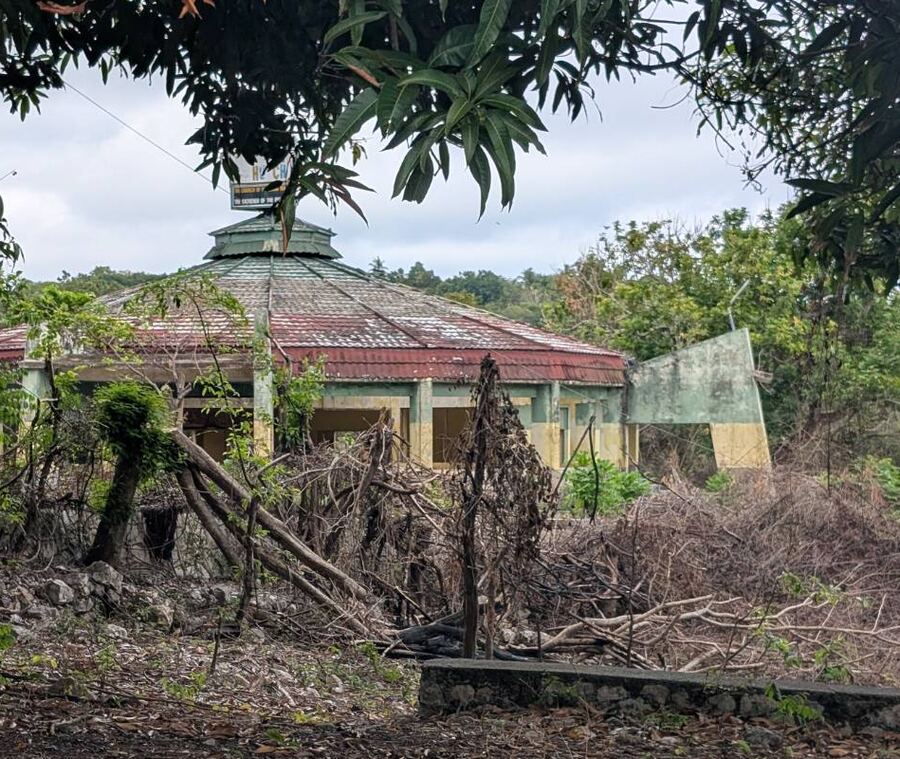
The Ethiopian Zion Coptic Church’s home is the Creighton Hall estate at White Horses. Its total area and parcel relationships are being checked against current titles and survey plans. In the 1970s the estate grew coconuts, bananas, yams, sugar cane, ginger, and timber, with its own reservoirs and sawmill. Today much of it is not in active use, and several buildings, including the old octagonal church, need restoration.
The church is inviting partners who can return this land to productive, community-minded use. See the Creighton Hall opportunity, our partnership invitation for Creighton Hall, and all opportunities, including land at Saxon Vale, where area and availability are still being checked.
We are open about what is not yet settled. Usable and available areas, boundaries, and current use are confirmed with serious partners during due diligence, and nothing on this site is an offer, a valuation, or a planning approval.
Questions partners ask
Is the church selling land?
The church is inviting partnership proposals, such as leases, joint ventures, and operating agreements. It is not advertising land for sale.
Can a foreign company or a Jamaican living abroad take part?
Yes. Jamaica does not limit foreign ownership or control of investments, and the church welcomes proposals from overseas partners who work with a capable local team.
How big is the land?
Areas at Creighton Hall and Saxon Vale are still being verified against current titles and survey plans. The land available for a given project is confirmed during due diligence.
What happens after I submit a proposal?
You receive a reference number. Church representatives review each proposal, invite suitable partners to a conversation, and carry out due diligence on both sides. No agreement is made until the church formally approves it.
Have a project in mind for St. Thomas?
Tell us who you are, what you have done before, and what you would bring. Every proposal is read by church representatives.
Submit a partnership proposalSources
- Gleaner, “Section of highway in St Thomas named in honour of Paul Bogle”, 31 July 2026
- JIS, “Roadway to Morant Bay to be named ‘The Right Excellent Paul Bogle Highway’”
- Office of the Prime Minister, “Morant Bay Urban Centre grand opening”, May 2025
- Gleaner, “Seven gov’t entities sign leases at Morant Bay Urban Centre”, 5 March 2026
- Gleaner, “Seprod enters real estate with housing development in St Thomas”, 31 July 2026
- Observer, “House lots to go on sale in St Thomas”, 13 September 2026
- Observer, “St Thomas property surge prompts families to reclaim ancestral lands”, 8 January 2025
- JIS, “Agro-Invest woos diaspora investment in agriculture”, 12 April 2026
- Agro-Invest, investment portfolio
- Observer, “Tourism Ministry looking to restore the glory days of Bath in St Thomas”, July 2023
- Gleaner, “Reggae Falls in St Thomas to receive attention from tourism ministry”, June 2023
- JIS, “St. Thomas Tourism Readiness Project”
- JAMPRO, investor services
- U.S. Department of State, 2025 Investment Climate Statement: Jamaica
- NEPA, St. Thomas development order notification
- Ministry of Foreign Affairs and Foreign Trade, diaspora engagement portal
- Wikipedia, “Saint Thomas Parish, Jamaica”
- National Land Agency records held by the church (land areas)
This article is general information for prospective partners, not investment, legal, or tax advice. Figures are as reported by the sources on the dates shown.